
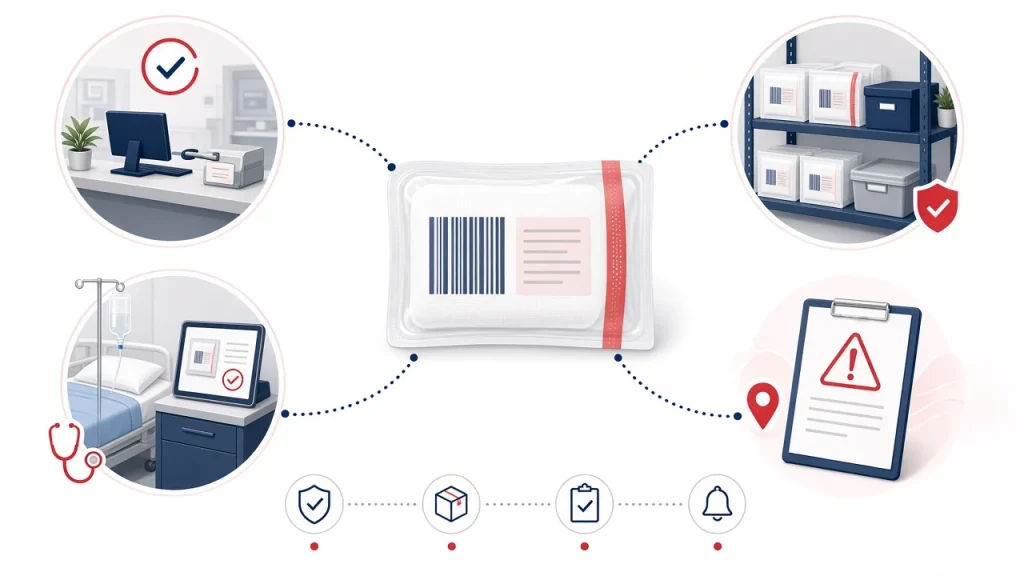
Sterile dressing lot traceability
Lot and serial numbers, expiry dates and recall records connect sterile dressing procurement, warehouse movement, clinical use and product withdrawal.
Read article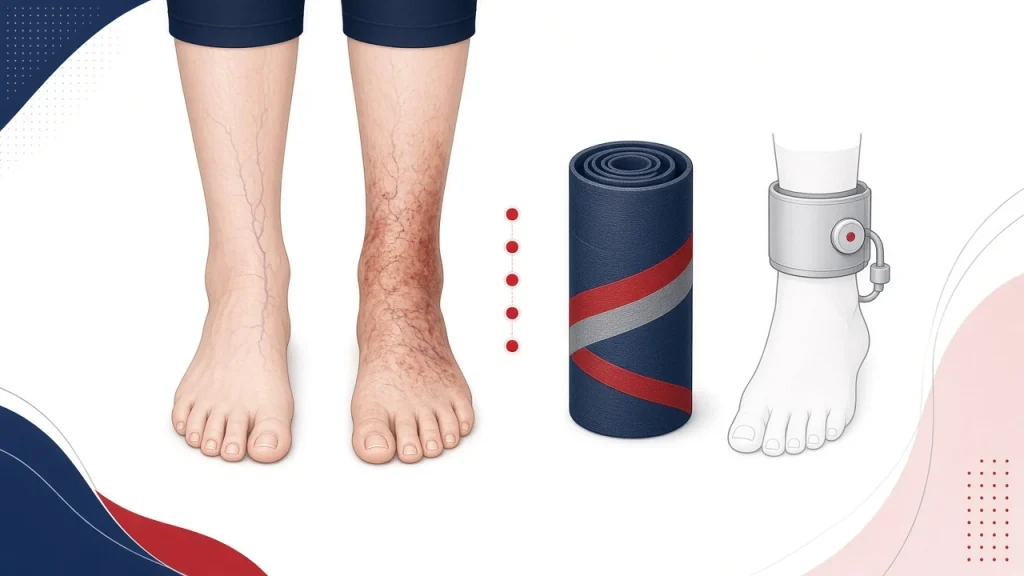
Compression planning by CEAP clinical stage
Compression planning combines CEAP clinical stage with oedema, skin findings, arterial circulation, mobility and the patient’s ability to use the product.
Read article
When is an antimicrobial dressing indicated?
An antimicrobial dressing decision rests on clinical assessment of infection and on antimicrobial stewardship; a positive culture alone is not an indication.
Read article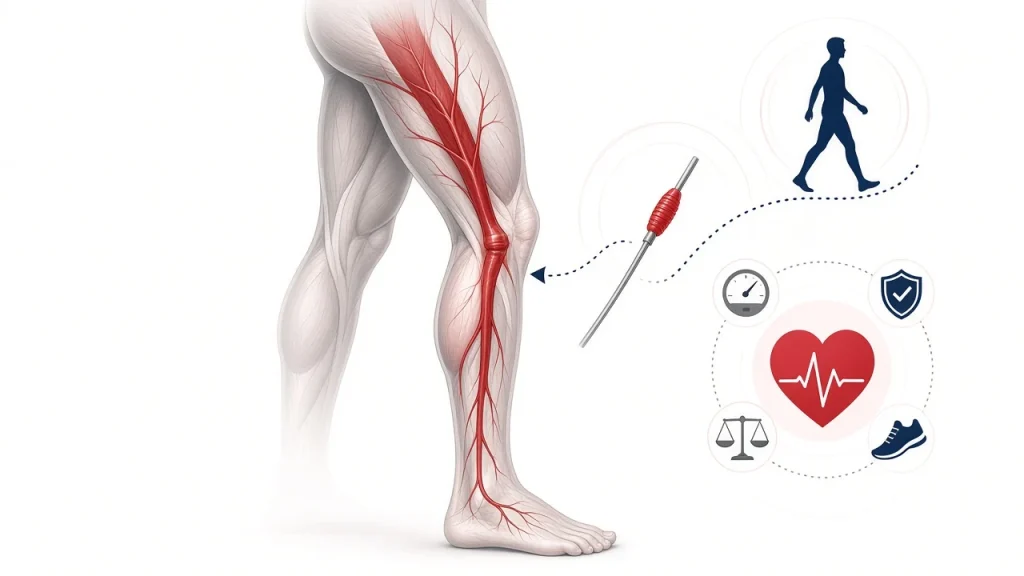
The medical and endovascular pathway in peripheral artery disease
Peripheral artery disease care combines medical risk management with endovascular revascularisation when symptoms, anatomy and patient needs indicate it.
Read article
Cold chain and storage in an exosome batch
Cold-chain records, storage temperature and the technical file for an exosome batch: B2B criteria for batch integrity and traceability.
Read article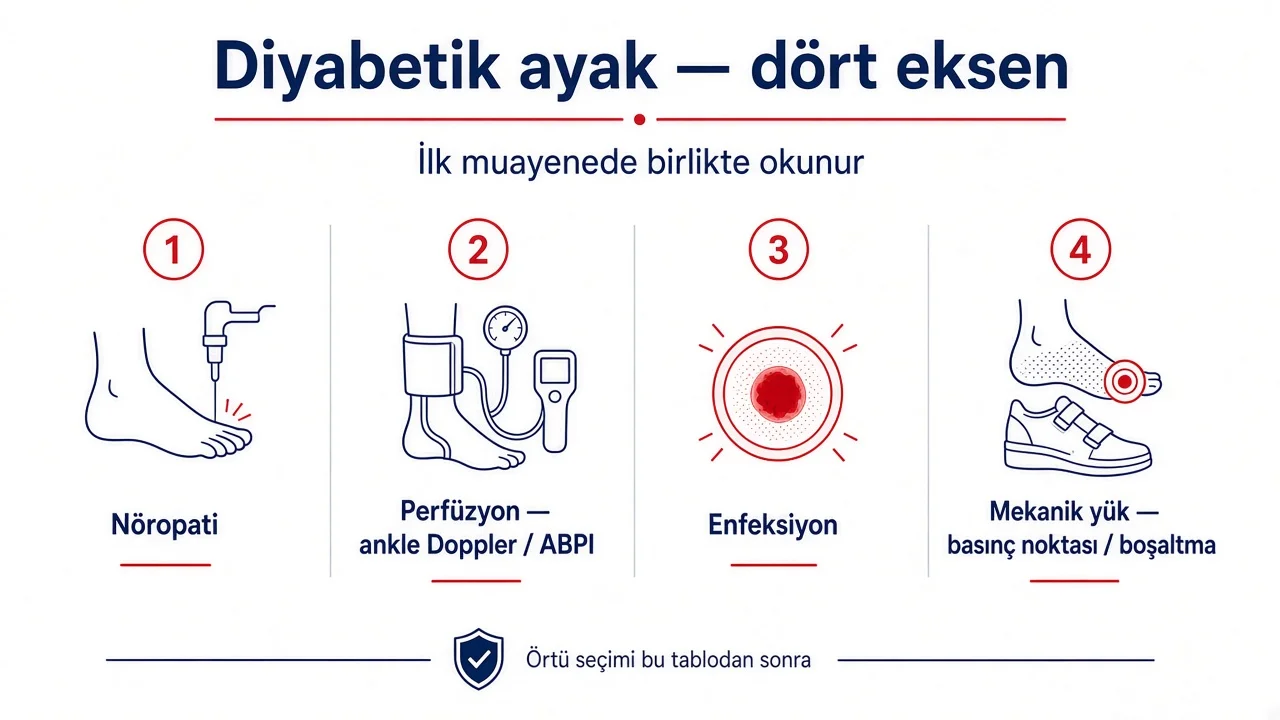
Diabetic foot wounds: initial assessment and referral
Initial assessment of a diabetic foot wound separates aetiology, perfusion and infection findings. Referral and dressing category follow in that order.
Read article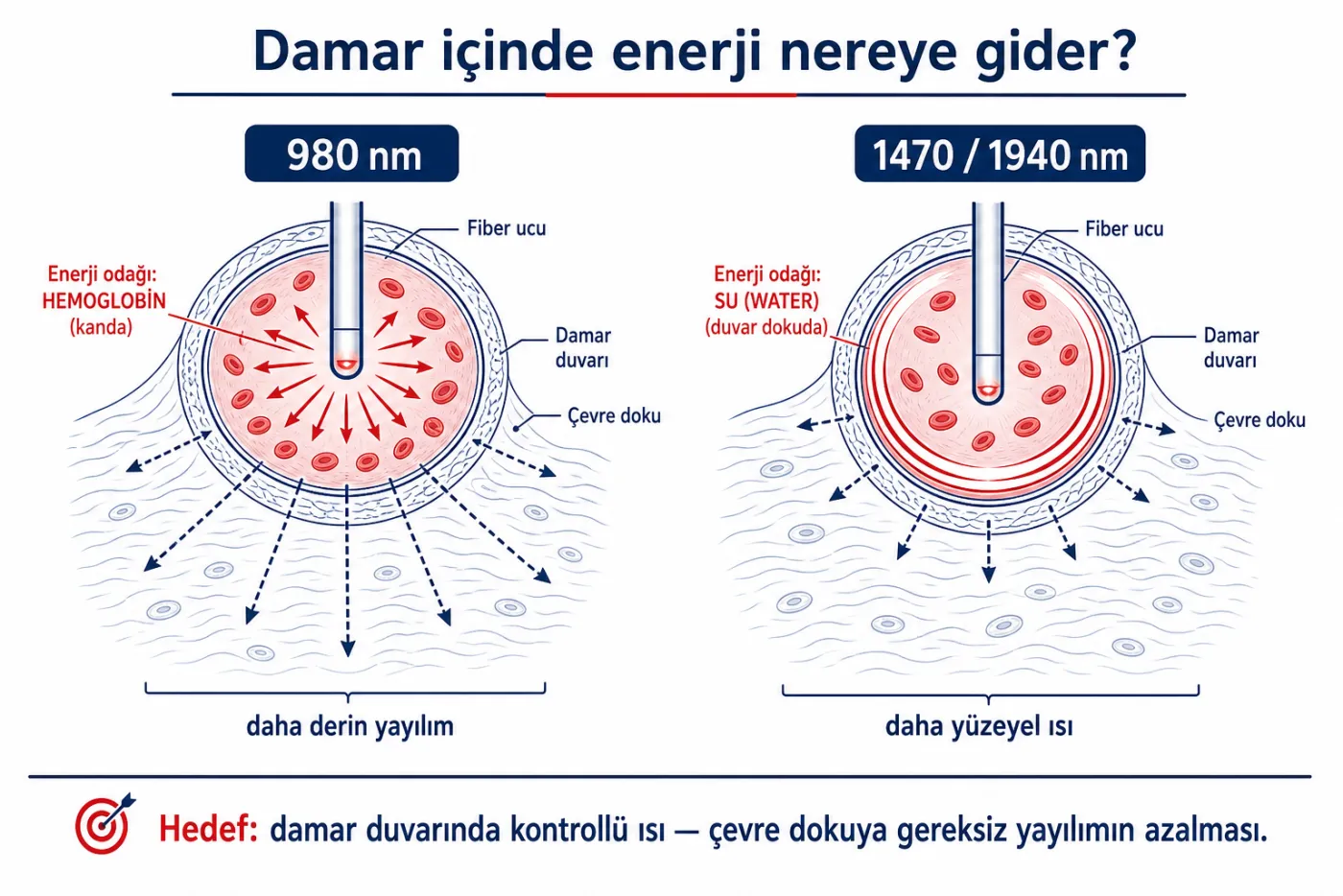
Endovenous laser fibre types: bare, jacketed, radial
In EVLA the fibre tip determines energy distribution. Clinical features of bare, jacketed and radial fibres, wavelength selection and key fields on B2B orders.
Read article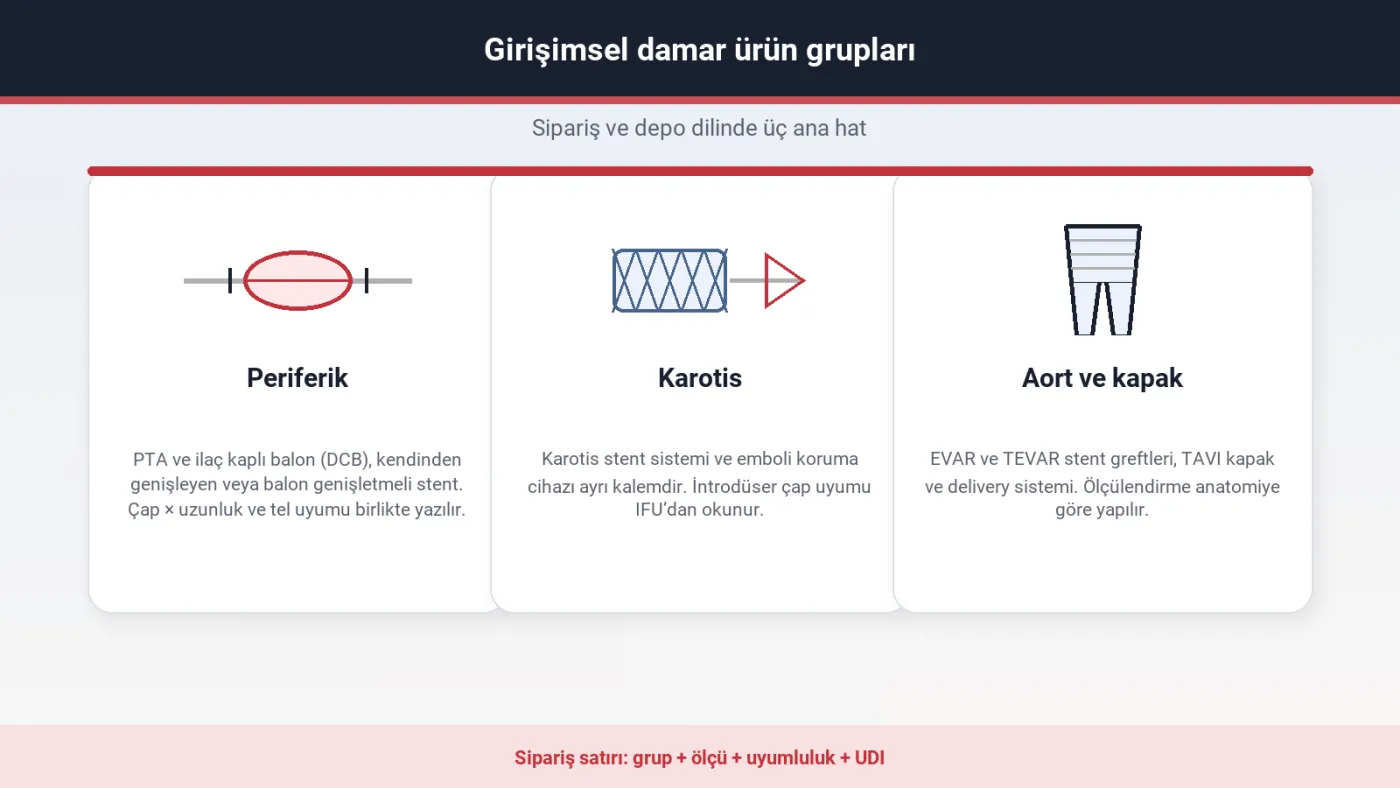
Critical limb ischaemia and wounds: one patient, two treatment tracks
In critical limb ischaemia, wound healing depends on arterial inflow. Revascularisation and wound care run in parallel in the same patient; perfusion is assessed first.
Read articleWhat to look for in a medical device technical file
IFU, UDI, CE marking and labelling in the medical device technical file, with a practical checklist for hospital purchasing teams.
Read article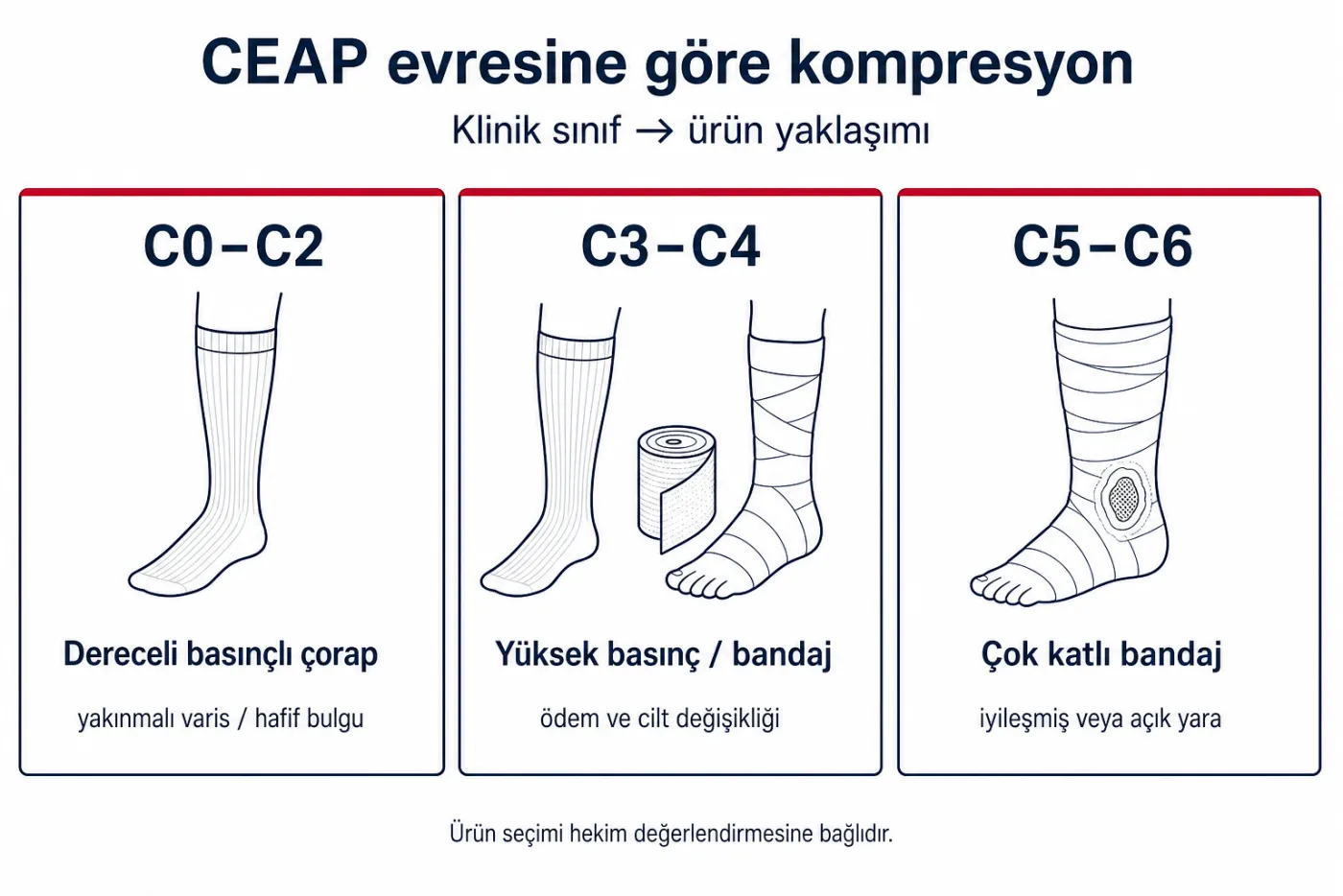
Perfusion assessment in wound care
Perfusion assessment shows how well blood and oxygen reach the wound and surrounding tissue. The venous–arterial distinction and the clinical role of ABPI and TcPO2.
Read article